
The following is a brief introduction to the topic:
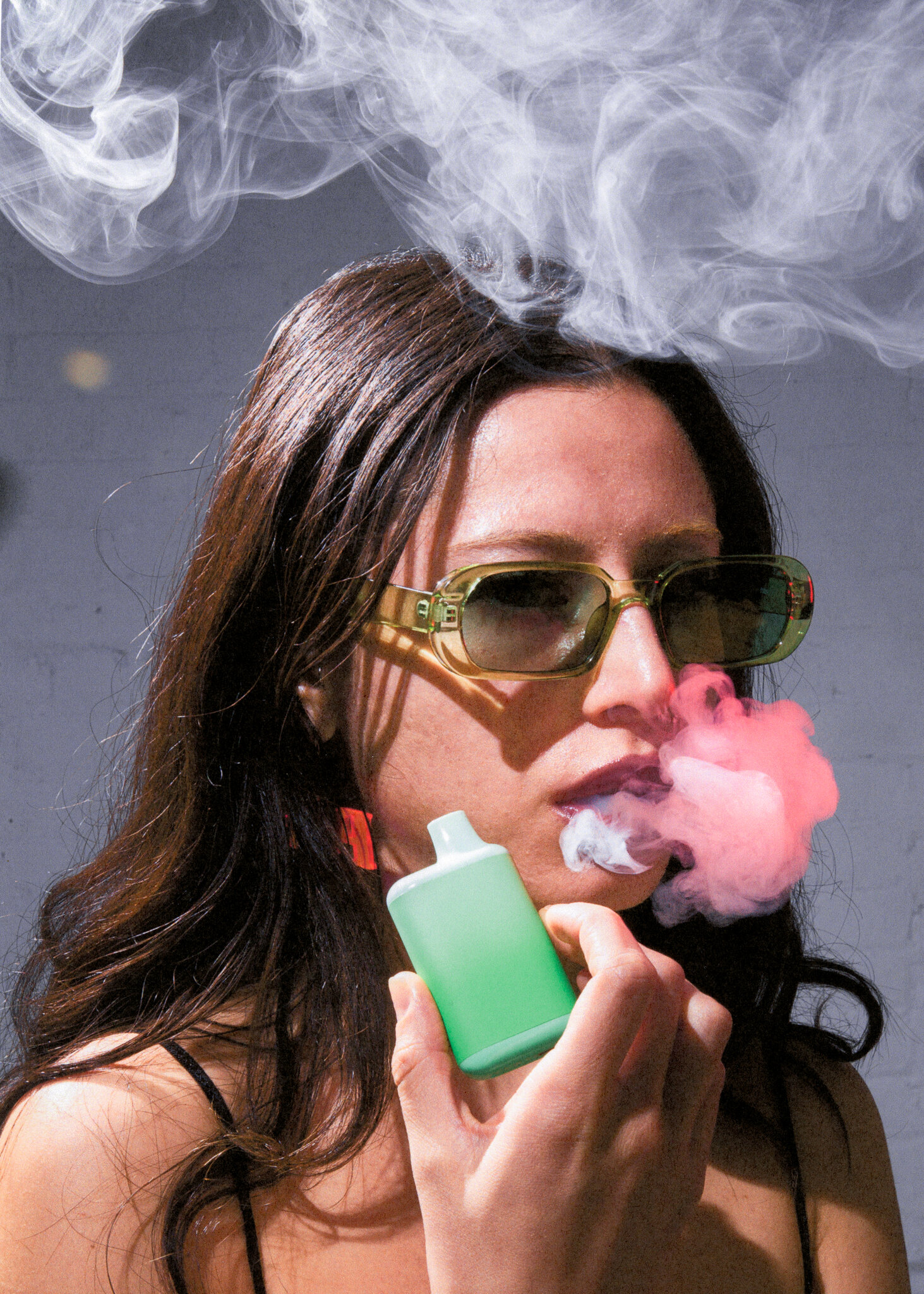
In just a few short years, vaping went from being a smoking substitute for adults to becoming a popular trend among teens and young adults. Vaping is a phenomenon for youth, with its sleek devices, fruity flavours, and strong social media presence.
This article explores why vaping is so popular with young people. It also examines the risks that it poses and how policymakers, schools, and parents are reacting.
1. The rise of vaping among teens
Vaping is more popular than smoking among those under 25 in many countries. Recent studies have shown:
- Many teens who are under 18 have tried vaping
- Vapes are a great way to start for many nonsmokers
- Social media platforms such as TikTok, Instagram and Facebook have played a role in normalising and glamorising vaping.
It is a symbol of youth culture.
2. Why is vaping so popular among youth?
Vaping is on the rise among young people for several reasons:
Flavors
- Vaping is made more enjoyable by the flavours of desserts, fruits, and mint.
- Some people don’t even have the chance to taste nicotine.
You can also Design Your Own
- The USB devices are small, colourful and easy to conceal and carry
- Vapes are now more like gadgets than cigarettes.
Peer Influence
- The influence of social circles and peer pressure is significant
- It is now common to share vape pens with friends at parties or school holidays.
Online Culture
- Vape tricks, memes, and reviews dominate YouTube, TikTok, and other platforms.
- Influencers promote vaping as cool, creative or trendy.
3. There are hidden risks: It’s not just harmless vapour
Vaping is not as safe as smoking and poses real risks, particularly for youth:
Nicotine Addiction
- Many popular vapes, such as JUUL, have high nicotine content
- Addiction and chemical dependency are more common in teens
Brain Development Impact
- Nicotine can affect the memory, attention, and impulse control of developing brains
Gateway to Smoking
- Researchers have found that teens who vape tend to smoke cigarettes later.
Lung Injuries
- Although rare, cases of Vaping-related Lung Disease (EVALI) are reported.
- Unknown long-term effects
- The health effects of vaping are still being studied.
4. Vaping in Schools is a Growing Problem
Students are using vaping devices in many schools.
- Bathrooms
- Classrooms (hidden hits)
- Outside the campus, school buses are available
Some schools:
- Installed vape detectors in bathrooms
- Launched anti-vape education campaigns
- Adopting stricter discipline policies
It’s not easy, especially when the vape devices themselves are so discreet.
5. What parents and guardians should know
Vaping is often not noticed by parents. Keep informed about vaping:
Signs of Vaping
- Fruity or sweet smells (unusual for teens’ clothes or rooms)
- Dry mouth or bloodshot eyes
- Nosebleeds are common with vaping
- Frequent trips outdoors or to the bathroom
- Increased secrecy and mood swings
What you can do:
- Open up conversations with no judgment
- Real risks
- You should set clear rules with consequences
- Model healthy behaviour at home
6. What is society’s response?
The government and health organisations have taken action to regulate vaping among youth:
- Flavour bans are banned in several countries or states
- Age Restrictions for Vape Sales (normally 18+ or 21+).
- Advertising Limits Targeting Social Media Influencers and Youth Culture
- More stringent labelling and packaging laws
Education and awareness remain key in protecting youth.
Conclusion: A trend that needs a reality check
Vaping might seem harmless and trendy. But behind that cloud, there is a growing problem. It can start as a curiosity or a way to bond with friends, but it can lead to addiction and dependence and health risks that young people didn’t anticipate.
In a modern society, our goal is not to punish or ban but to guide, educate, and support youth in making informed decisions.
The best future for them is one in which they can breathe easily, both literally and figuratively.